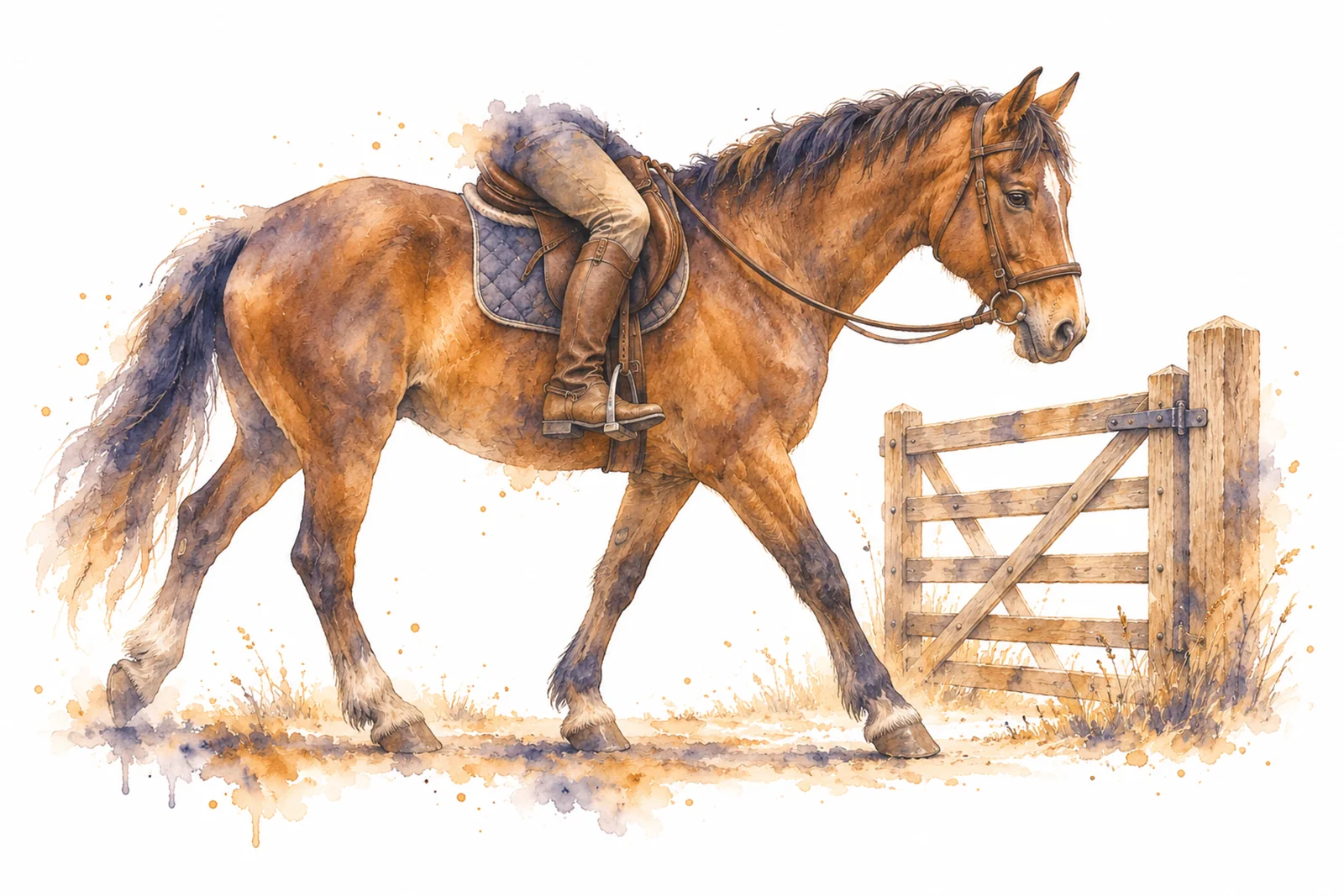
The barn stood on a slope. For one rider bringing an 18-year-old horse back from a ligament injury, even the trip downhill was a chance to notice how he was moving. He took his time. There was no show circled on the calendar. The rider wanted to see what work he could comfortably do.
Twenty minutes around the farm
He had injured branches of his suspensory ligament in 2009 and hurt himself again in 2010 after a year of rehab. Following eight months of turnout, he spent part of 2011 walking around the farm for up to half an hour. By the next summer he could manage short stretches of trot and canter a few days a week. When his rider wrote in again, after another break, they were starting with walks. The rider’s account on the Chronicle Forums.
Another rider in the same discussion remembered the months they spent mostly walking a gelding on hilly trails after a suspensory injury. That horse went on to give the rider’s younger sister her start in eventing. At the time of the post, the rider said the leg was still holding up.
The mare who made it back to a show
In a separate conversation, someone asked whether their horse might make an event six months after colic surgery. A rider whose mare had already been through surgery remembered losing about that much time just getting past an infection in the incision. When the vet allowed walking, they walked. Eventually the mare was jumping again. The rider remembered their first show back as a little over a year after surgery. The riders’ colic-surgery discussion.
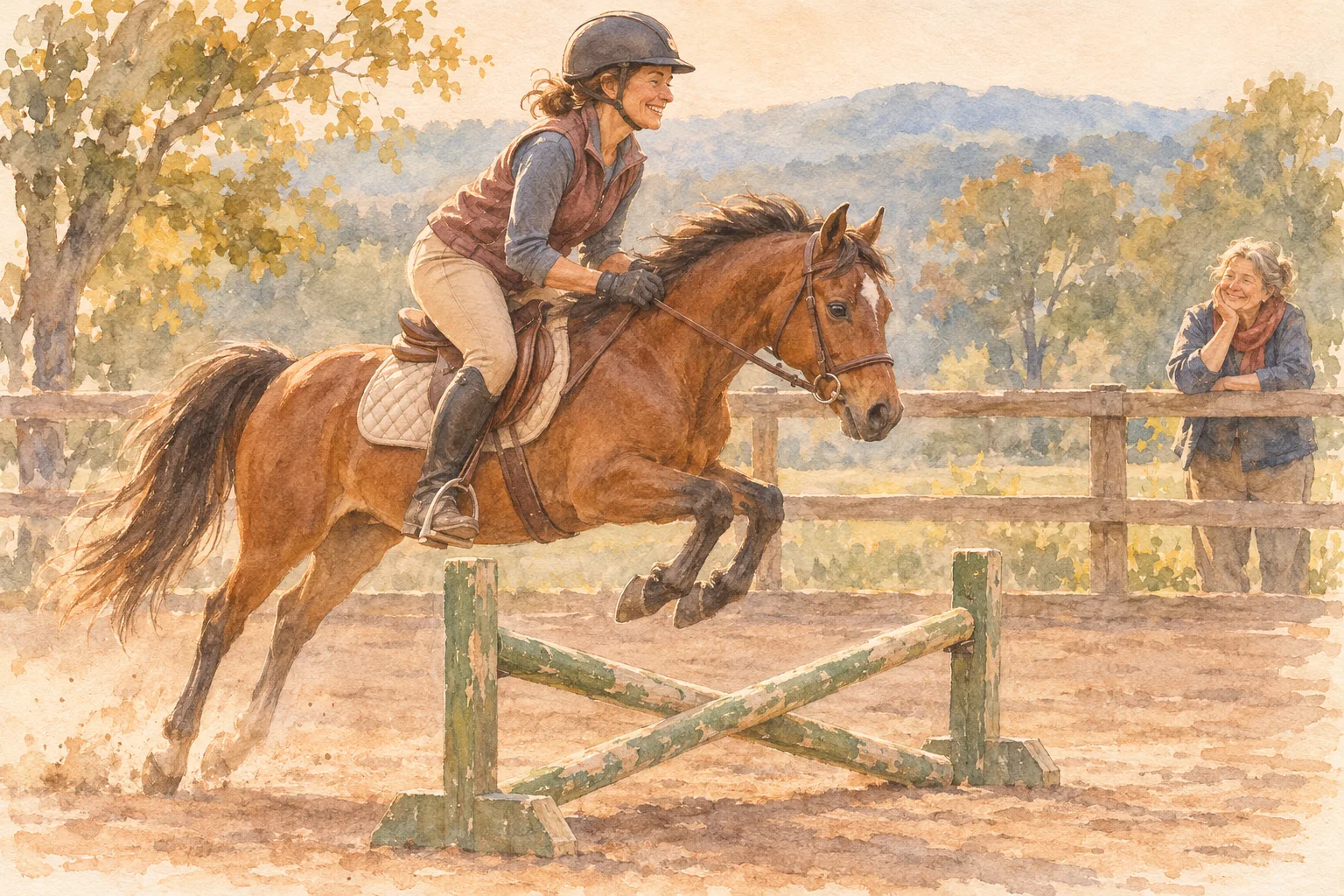
Full work was where this dressage horse used to go lame
A 12-year-old Lusitano could look sound after rest, then come up lame again in full dressage training. His right front tendon would get hot and swollen. His vet, David DaSilva, added BPC-157 and TB-500 after several of those setbacks.
At the last recheck, the gelding was still in full training. The heat and tenderness hadn’t returned, and the tendon fibers lined up normally on ultrasound. This time he could keep doing the work that had brought on the earlier flare-ups. DaSilva’s case report.
Sources
- The rider’s account on the Chronicle Forumschronofhorse.com
- The riders’ colic-surgery discussionchronofhorse.com
- DaSilva’s case reportvetbiologix.com