Your cat still wants the window seat, but lately she gets there by climbing onto a chair first. If that small change sent you looking up peptides for cats, you’ll probably run into four names: collagen, BPC-157, TB-500 and KPV. One has been part of a diet tested in cats who had trouble with stairs. Another gets much of its reputation from a vet’s report about injured knees in dogs.
What is a peptide?
A peptide is a short chain of amino acids, the building blocks of protein. “Hydrolysed collagen” on a food label means the manufacturer broke collagen into smaller pieces. BPC-157, by comparison, is one particular chain of 15 amino acids. Knowing the name helps you figure out what the ingredient is there to do.
How are peptides being used for cats?
Mobility, recovery from an injury, and recurring gut trouble are the questions owners bring up. Some veterinary pharmacies already discuss BPC-157, TB-500 and KPV with prescribers treating cats as well as dogs. Restore Compounding Pharmacy describes these as investigational uses and leaves the decision to the vet treating the individual animal. Read the pharmacy’s veterinary overview.
How peptides work in a cat’s body
Some peptides carry messages between cells. Insulin, for example, signals cells to take up glucose from the bloodstream. Others are being explored for a much more local job. In lab experiments, cells lining the intestine took up KPV, which reduced signals involved in inflammation. That’s why KPV turns up in conversations about the gut. See the intestinal-cell experiment.
Which peptide goes with which concern?
| What you’ve noticed | Peptide | What we know |
|---|---|---|
| Your cat hesitates before jumping or takes the stairs slowly. | Collagen | Cats handled a stair test better on a diet that included collagen alongside other ingredients. |
| Your cat is still favoring a leg after an injury. | BPC-157 or TB-500 | The veterinary recovery stories in these guides follow dogs and horses. They explain the interest, but give no timeline for a cat. |
| Loose stools keep turning up in the litter box. | KPV or BPC-157 | KPV reduced bowel inflammation in mice. The BPC-157 bowel-repair study followed rats after surgery. |
Collagen for cats with stiff joints
Can a change at the food bowl make a difference on the stairs? Researchers tested that in 30 cats with osteoarthritis. Cats on a diet containing hydrolysed collagen, omega-3 fatty acids and turmeric extract did better on a stair exercise and put more weight through their legs than cats on the comparison food. That’s a useful result for the whole recipe. The team didn’t test a scoop of plain collagen on its own. Read the feline arthritis diet trial.
BPC-157 for injury recovery
If you heard about BPC-157 from someone whose dog hurt a knee, you may be thinking of Shelby Watson’s four cases. One owner called off a Rottweiler’s planned surgery when his limp eased during care that included BPC-157 and herbs. For a cat who lands awkwardly and starts limping, the first useful detail is which part of the leg hurts. A paw injury and a painful knee can look much the same from across the room. Read Watson’s case report.
KPV for the cat with a sensitive gut
KPV is a chain of just three amino acids. Mice with an inflamed colon had less inflammation when researchers added it to their drinking water. Owners usually have a different question: will their cat have a comfortable bowel movement tomorrow? The mouse study explains why people are interested in KPV. It doesn’t answer that litter-box question. Read the KPV guide.
TB-500 and the Wolverine stack
“Wolverine stack” is the nickname for pairing TB-500 with BPC-157. The best-documented comeback in this guide belongs to a dressage horse whose tendon kept flaring up. If someone mentions the same combination for your cat, ask what they’ve seen in cats with that particular injury. A photo or short video of how your cat walks at home gives the vet a starting point for the discussion. Follow the TB-500 cases.
How are peptides administered to cats?
The collagen trial used food. Veterinary insulin goes under the skin. Some products intended for the skin contain a peptide in a foam. These routes answer different needs. If a vet suggests an oral preparation, tell them whether your cat reliably finishes a meal or leaves half for later. It’s a practical detail that matters in a two-cat household, too. See an example of a feline skin formulation.
Are peptides safe for cats?
Safety depends on the ingredient, form and condition being treated. The researchers who tested the collagen-containing diet reported no observed side effects during their study. A course of injectable BPC-157 is a different safety question. We didn’t find a feline clinical study that establishes its side effects or long-term safety. Bring the exact product and your cat’s medication list to the appointment.
Are peptides right for your cat?
Pick one activity you miss seeing: jumping onto the bed, grooming the lower back, or stepping comfortably into the litter box. If the problem is digestive, jot down how often the stools are loose and whether appetite has changed. These observations help your vet decide what to investigate and give you both a way to judge progress later.
Working with a vet who uses peptides
Start with the vet who examines your cat. If you’re seeking an integrative opinion, ask the clinic about feline experience before you book. Useful questions are “What have you seen in cats with this diagnosis?”, “Why this ingredient and form?”, and “When do we reassess if my cat is still struggling?” Ask about interactions with current medicines and which changes mean you should call sooner.
What did owners actually notice with insulin?
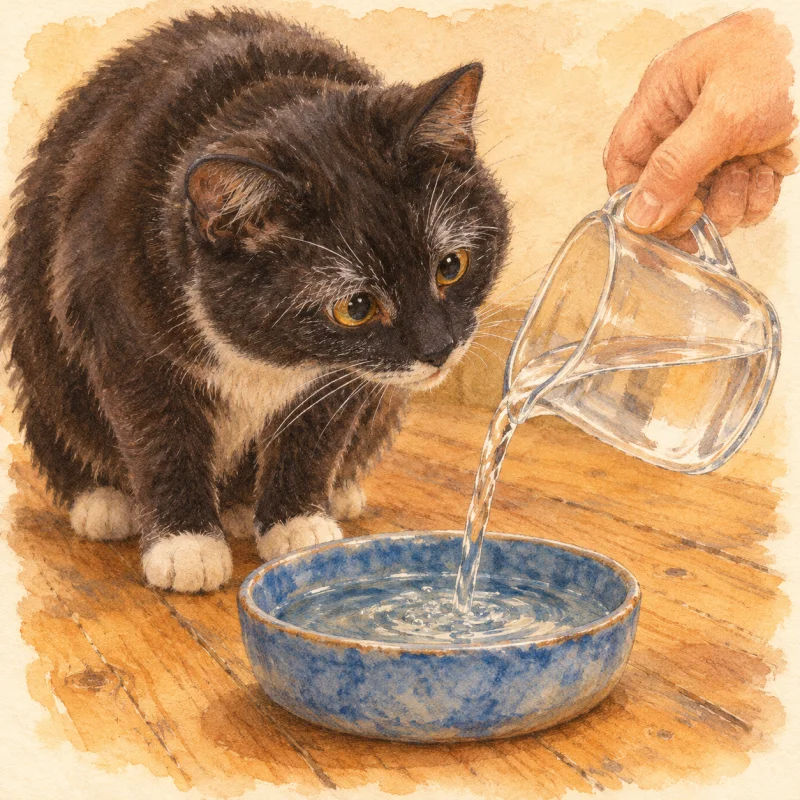
In a 45-day study of diabetic cats treated with ProZinc insulin, owners saw less excessive drinking in 111 of 146 cats who had that problem at the start. Low blood sugar occurred in some cats, which is one reason vets follow their glucose levels during treatment. Read the FDA review of the feline study.
Questions cat owners ask
Are peptides steroids?
No. Peptides are amino-acid chains. Steroids have a different chemical structure.
Is Solensia a peptide supplement?
Solensia is an antibody medicine for feline arthritis pain. In its field study, owners picked three activities their own cat found difficult. That’s an idea you can borrow for your next appointment, whichever treatment you discuss. Read the feline arthritis field study.
Sources
- Read the pharmacy’s veterinary overviewrestorepharmacy.com
- See the intestinal-cell experimentnih.gov
- Read the feline arthritis diet trialnih.gov
- Read Watson’s case reportahvma.org
- See an example of a feline skin formulationuzh.ch
- Read the FDA review of the feline studyfda.gov
- Read the feline arthritis field studynih.gov