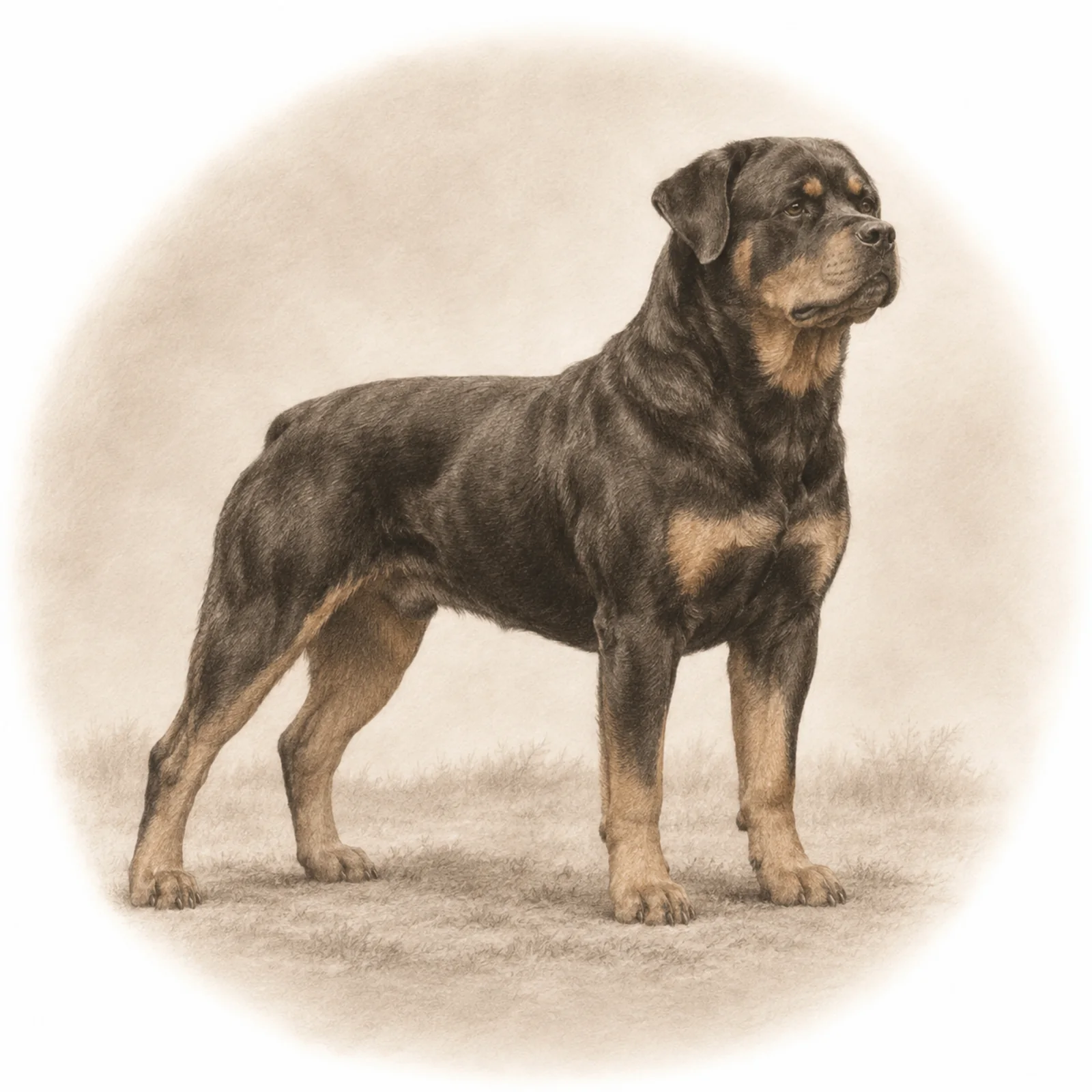
The Rottweiler had been through one knee operation already. It was his right leg that time. When he came up lame on the left, his owner booked him in again. The appointment was on the calendar when veterinarian Shelby Watson began treating him with BPC-157 and herbs.
What happened to the second operation?
His limp eased and his owner canceled the surgery. Two and a half years after his first visit, he could regularly run a mile. That sounds like a neat ending, except Watson kept in touch. By the four-year update, a mile could cost him several sore days. Knowing both details gives you a much better picture of how he was getting around.
Did the other dogs have the same result?
One dog was walking without a limp at three months and later needed treatment on the other side. Another had a setback after taking an oral peptide blend and went on to receive platelet-rich plasma. Watson recorded the different treatments and the setbacks alongside the improvements. The report describes what the dogs could do. It doesn’t give us scans showing four repaired ligaments. Read all four cases in Watson’s report.
What would you notice on a walk?
A dog looking comfortable on the way out and feeling sore the next morning are two parts of the same walk. That’s the detail worth borrowing from this case when you describe your own dog’s knee to a vet. For the research behind the broader injury and gut claims, read our BPC-157 guide.