A Rottweiler had surgery on his right knee. When he started limping on the left, his owner booked another operation. This time the limp eased while the dog was receiving BPC-157 and herbs, and his owner canceled the surgery. Two and a half years after his first visit, the dog could regularly run a mile. There’s a later chapter, too. At four years, a walk that long could leave him sore for days. That unusually long follow-up comes from veterinarian Shelby Watson’s report on four dogs.
If you came here because your pet has digestive trouble, start with what researchers saw in the stomach and intestines.
What is BPC-157?
- Quick verdict
- Pet dogs with knee trouble have improved during treatment that included BPC-157. The strongest gut-healing results come from experiments in rats.
- How it was given
- Dogs in the knee reports received oral or injected preparations. The gut studies below used several routes.
BPC-157 is a synthetic peptide, a chain of 15 amino acids. It turns up in discussions about sore knees, torn muscles and healing in the gut. When a tendon or the lining of the gut is injured, repair cells move into the damaged area. In a lab experiment with pieces of rat tendon, more repair cells grew out of the tissue when researchers added BPC-157. The cells also moved more readily. See the tendon experiment.
Can BPC-157 help a pet with gut trouble?
If your dog keeps asking to go out at night, the question is whether their stools will firm up and stay that way. One BPC-157 experiment actually tracked stool changes. The animals were rats with an inflamed colon who had also had bowel surgery.
Colitis and loose stools
By the third day after surgery, the researchers saw formed stools in the BPC-157 groups. The untreated rats continued to pass loose stools and lose weight. When the team examined the bowel, the treated rats also had smaller areas of damage. Some rats had received the peptide in drinking water, others by injection. See the stool and weight findings in figure 2.
Stomach irritation
In another experiment, rats given anti-inflammatory drugs developed sores in the lining of the stomach. The rats that also received injected BPC-157 developed less damage. That finding helps explain why “gut protection” comes up so often. It leaves open whether an oral product protects a dog taking a prescribed pain medicine. Read the stomach-lining study.
Healing after intestinal surgery
After surgeons rejoin two ends of the intestine, a leak at the join is a serious complication. In rats given BPC-157, the repair site showed less swelling early on and more new collagen as it healed. The join also held up better when researchers tested how much pressure it took to make it leak. Read the small-intestine study.
Our take. The rat studies give BPC-157 a real place in research on intestinal repair. For a pet owner, the missing piece is a dog or cat with recurring digestive trouble who feels better on BPC-157 in a controlled trial. These studies can’t tell you whether your pet will have fewer bad nights. Read what the KPV gut studies found in mice.
Could it help a dog walk more comfortably?
The four dogs Watson saw had different knee problems. One was free of a limp at three months and later needed care for the opposite leg. Another received an oral peptide blend and needed platelet-rich plasma after a setback. The follow-ups tell us which dogs walked more comfortably and which needed more care. Watson didn’t document a healed ligament in all four.
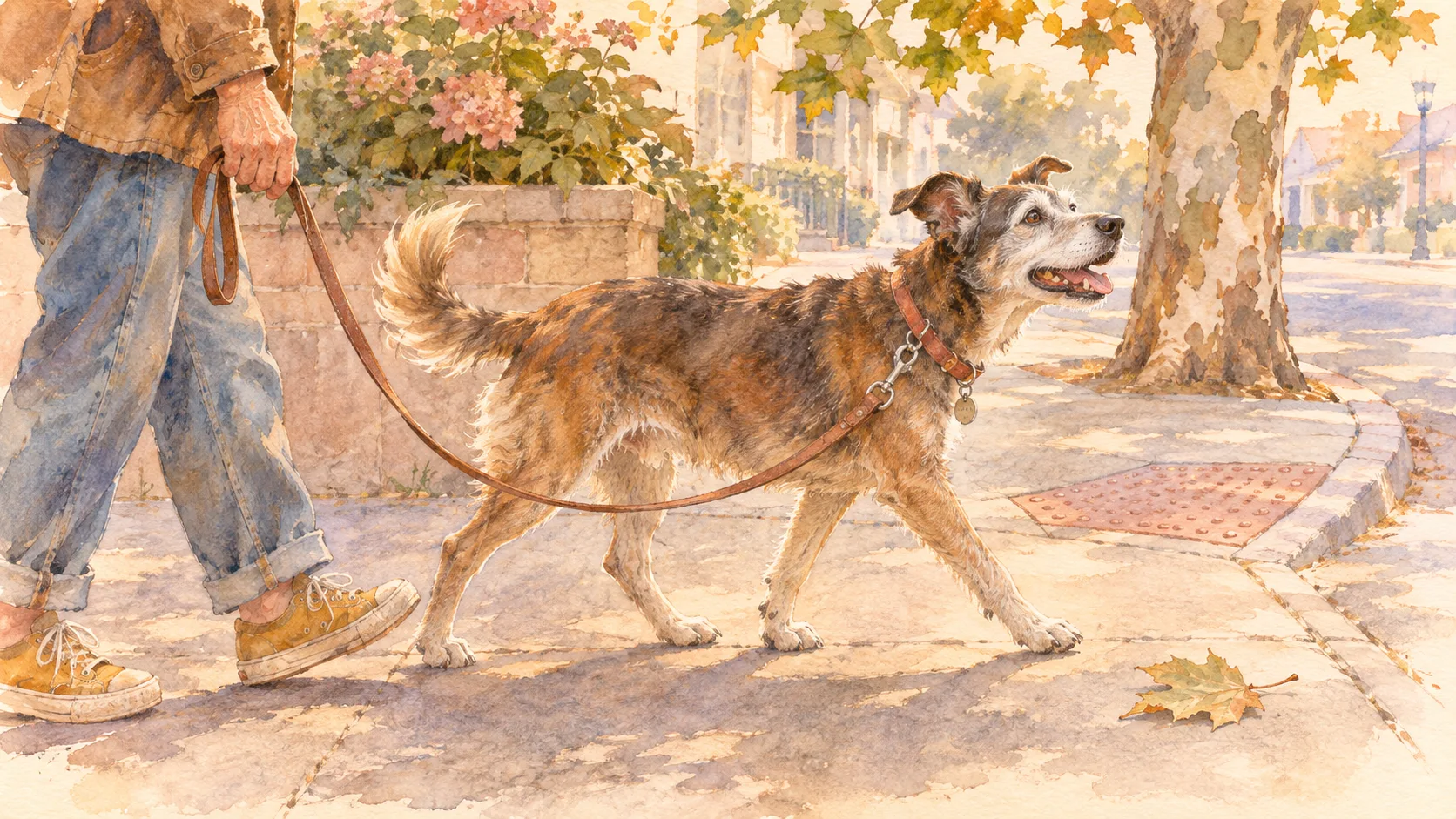
One owner noticed their nearly 15-year-old dog going farther on their usual walk after adding BPC-157 to his existing Librela treatment. The same owner had to slow him down when he got the zoomies on a slippery floor. Read the owner’s post and update.
What happened after a muscle or tendon injury?
Some of the most striking muscle results come from rats. After a thigh muscle was cut, treated rats regained more use of the leg. In a separate Achilles tendon experiment, the repaired tendon could withstand more force before it failed. For horses, a vet documented a dressage gelding returning to training after a recurring tendon injury. His care included both BPC-157 and TB-500. Thigh muscle study · Achilles tendon study · The gelding’s story.
What do people use BPC-157 for?
A knee that still hurts months after an injury is one reason people ask about BPC-157. A Florida clinic called patients who had received knee injections. Of the 12 who got BPC-157 alone, 11 said their knee pain had improved. The clinic had no comparison group, and the follow-up asked about pain. It didn’t show whether a tendon or ligament had healed. Read the knee-pain report.
People have also tried it for ulcerative colitis, a disease that inflames the colon. In a two-week trial, 53 people received either a BPC-157 enema or a placebo. Disease scores improved in both groups, and the difference was too uncertain to tell whether BPC-157 helped. The researchers reported their results in a conference abstract. See the FDA’s account of the gut trial.
Is a capsule comparable to an injection?
Watson used oral and injected preparations in the knee cases. Researchers also measured BPC-157 in beagles’ blood after an injection. Neither study compared capsules and injections for the same injury. Read the beagle study.
How safe is it for an older dog?
One research team described beagles as generally tolerating the injections it tested. An FDA assessment of that work also flagged changes in a blood-clotting test and some blood chemistry results. For an owner whose dog takes daily medication or has surgery scheduled, those are good reasons to take the actual ingredient list to the appointment. This work leaves the long-term safety of daily capsules in older dogs open. Original safety paper · FDA assessment.
What would count as a good result for my dog?
Pick the thing that made you look up BPC-157 in the first place. Maybe your dog needs two tries to get out of bed, or turns for home at the first corner. Tell your vet exactly what changed, and ask what a comfortable recovery would look like for that injury. Our take is that BPC-157 deserves attention for tissue repair. The dog stories make that question worth asking, even though they can’t give an individual dog odds of recovery.
If the product also lists TB-500, read what happened in two horses treated with that combination. For more on animal gut research, start with the KPV guide.
Sources
- Veterinarian Shelby Watson’s report on four dogsahvma.org
- See the tendon experimentphysiology.org
- See the stool and weight findings in figure 2krakow.pl
- Read the stomach-lining studynih.gov
- Read the small-intestine studynih.gov
- Read the owner’s post and updatereddit.com
- Thigh muscle studynih.gov
- Achilles tendon studynih.gov
- Read the beagle studynih.gov
- Original safety papernih.gov
- See the FDA’s account of the gut trialfda.gov
- Read the knee-pain reportnih.gov